Hit a Deer in West Tennessee? Here’s What Your Car Insurance Covers
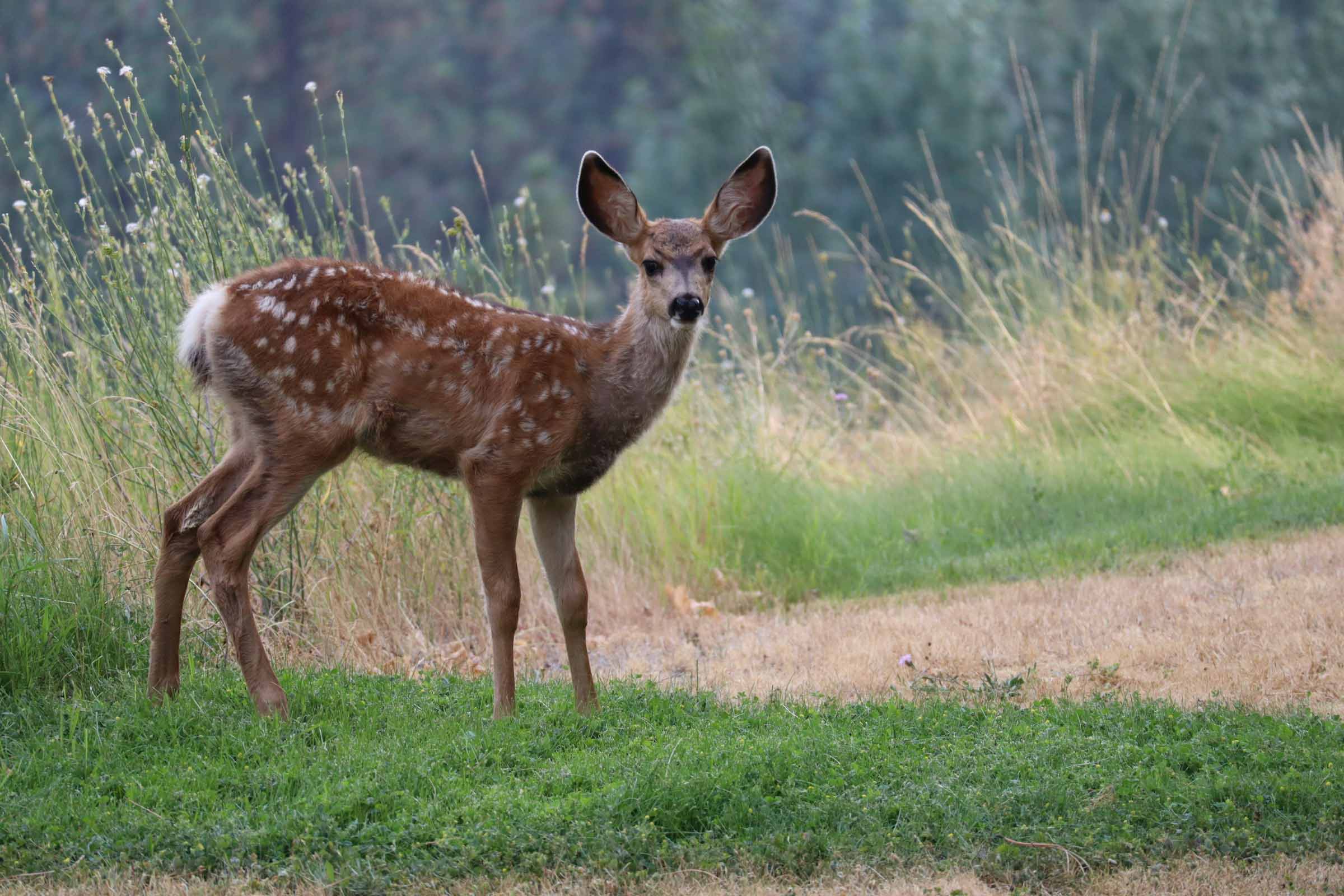
If you drive the back roads around Camden, Big Sandy, or anywhere along Highway 641 and Highway 70 this time of year, you already know the feeling: a shape at the edge of your headlights, a split-second decision, and a lot of hoping. November is the busiest month of the year for deer-related crashes in Tennessee, and Benton County drivers aren’t immune. The Tennessee Highway Patrol reported more than 8,000 deer-related crashes statewide in 2024, and the vast majority of them caused property damage only. In other words, most deer crashes don’t end in an ambulance ride. They end in a body shop, an insurance claim, and a question: am I covered?
At Vick Insurance Group, we’ve been helping West Tennessee drivers sort out answers to that question since 1987. Here’s what you need to know before (and after) a run-in with a deer.
Why November Is Peak Deer Season on Tennessee Roads
Late fall is mating season for white-tailed deer, and hunting season has them on the move. Shorter days also mean more of your commute happens at dawn and dusk, which is exactly when deer are most active. Rural two-lane roads with wooded shoulders and farm fields, the kind we have plenty of between Kentucky Lake and the Tennessee River bottoms, are prime crossing spots.
State safety officials say deer crashes in November more than triple compared to the average of the other months. If you see one deer cross, slow down. There’s a good chance another one is following.
Which Part of Your Policy Pays for a Deer Hit?
This is where a lot of drivers get surprised. Hitting a deer is not covered by liability insurance, and in most cases it isn’t covered by collision coverage either. Here’s how it typically breaks down:
- Comprehensive coverage: Striking an animal is usually handled under comprehensive (sometimes called “other than collision”). If you only carry Tennessee’s state-minimum liability coverage, damage to your own vehicle from a deer strike would likely be out of pocket.
- Collision coverage: If you swerve to miss the deer and hit a guardrail, a tree, a ditch, or another car, that’s generally treated as a collision claim, which carries its own deductible.
- Medical payments coverage: If you or your passengers are hurt, medical payments coverage can help with medical bills regardless of who’s at fault.
- Rental reimbursement and towing: These optional add-ons can keep you on the road while your vehicle is in the shop, which matters when repairs on a modern bumper, grille, and sensor package take weeks.
Every policy is different, so the best way to know for sure is to look at your declarations page or call our office and ask.
What to Do Right After You Hit a Deer
- Pull over safely, turn on your hazard lights, and check everyone for injuries.
- Stay away from the animal. An injured deer can kick hard and cause serious injury.
- Call law enforcement. The Tennessee Highway Patrol asks drivers to report deer-related crashes, and a report can help support your claim.
- Take photos of your vehicle, the road, and the surrounding area.
- Don’t drive a vehicle with leaking fluids, broken lights, or a damaged hood latch.
- Call your insurance agent as soon as you can to start the claim.
Tips to Lower Your Risk This Season
- Slow down at dawn and dusk. Your reaction time improves dramatically at lower speeds.
- Use your high beams on dark rural roads when there’s no oncoming traffic.
- Brake firmly, don’t swerve. Veering into oncoming traffic or off the road is often more dangerous than the deer itself.
- Buckle up every trip. Seat belts make the biggest difference in whether a deer crash becomes an injury crash.
Make Sure You’re Covered Before the Next Deer Darts Out
A deer strike can easily mean thousands of dollars in repairs. If you’re not sure whether you carry comprehensive coverage, or what your deductible is, now is the time to find out. Vick Insurance Group works with many top-rated carriers, so we can compare options and help you find the right balance of coverage and cost for the way you drive.
Call our Camden office at (731) 584-2554 or request an auto insurance quote at vickinsurancegroup.com/quotes.
Frequently Asked Questions
Yes, if you carry comprehensive coverage. Hitting a deer is typically filed under comprehensive, not collision or liability. Drivers with only state-minimum liability coverage usually pay for their own vehicle repairs.
Does car insurance cover hitting a deer in Tennessee?
Is hitting a deer considered an at-fault accident?
Usually not. Because a deer strike is generally a comprehensive claim, most carriers do not treat it as an at-fault accident. Policies and carriers vary, so ask your agent how your insurer handles it.
What if I swerve to avoid a deer and hit something else?
That is generally a collision claim. If you miss the deer but strike a tree, guardrail, ditch, or another vehicle, collision coverage would apply, along with your collision deductible.
Do I need to report a deer crash to police in Tennessee?
It is recommended. The Tennessee Highway Patrol asks drivers to report deer-related crashes, and a police report can help support your insurance claim.
When are deer crashes most common in West Tennessee?
November is the peak month. Mating and hunting season keep deer moving, and the risk is highest at dawn and dusk on rural roads.
How can I get an auto insurance quote in Camden, TN?
Call Vick Insurance Group at (731) 584-2554 or request a quote online at vickinsurancegroup.com/quotes. Our team will compare options from multiple carriers for you.